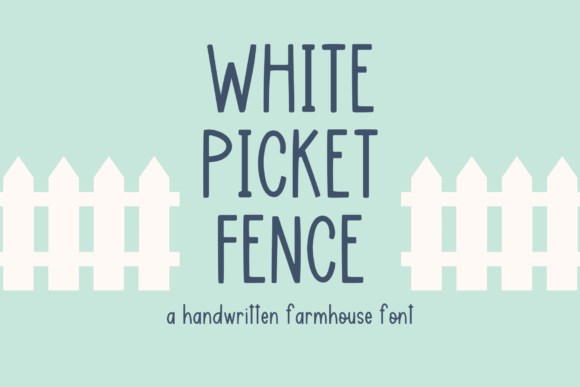
White Picket Fence: A Designer's Take on Farmhouse Script
When I first pulled up the White Picket Fence design file on my screen, the immediate vibe was unmistakable. It screams "farmhouse chic" with a playful, handwritten energy that feels inviting rather than rigid. As a designer who spends hours staring at digitized patterns and worrying about how they translate from pixel to thread, I look for more than just cute aesthetics. I need to know if a font will hold up under the needle, especially when it is categorized under Script Amp where flow and connectivity are everything. This isn't just a digital asset; it is a potential centerpiece for a client's custom apparel or a best-selling item in an Etsy shop.
The First Stitch Test: Mood and Personality
The visual personality of White Picket Fence is its strongest selling point. It captures that whimsical, hand-lettered look that customers currently crave for personalized gifts and boutique branding. The strokes feel organic, avoiding the robotic perfection that often kills the charm of script fonts. However, in the world of machine embroidery, "organic" can sometimes be a red flag for stitching issues if not digitized correctly. My first impression was that this design would shine on projects requiring a soft, approachable touch. Think nursery decor, kitchen towels, or a cozy sweatshirt for a weekend market stall. It creates a mood of warmth and nostalgia, perfect for brands trying to establish a connection with their buyers through handmade products.
Real-World Application: The Tote Bag Scenario
To truly evaluate this font, I imagined a specific real-life scenario: a custom order for a local boutique needing a run of canvas tote bags. The client wanted something that felt artisanal but readable. White Picket Fence seemed like the ideal candidate here. On a sturdy cotton canvas, the playful curves of the letters would contrast beautifully against the structured weave of the fabric. Unlike dense fill stitches that might make a bag stiff, a well-executed script usually relies on satin stitches or fine running stitches that lay flat.
If I were stitching this today, I would visualize the finished product immediately. Would the loops in the lowercase letters bridge cleanly? Would the ascenders and descenders tangle? For a tote bag design, the scale is generous, which works in favor of script fonts. It allows the "handwritten" details to breathe without becoming a bird's nest of thread. For an Etsy seller, this kind of clarity translates directly to customer trust; a clean stitch job looks professional, whereas a messy script looks like a hobbyist mistake.
Navigating Fabric Textures and Challenges
While White Picket Fence excels on stable fabrics like denim, canvas, or heavy cotton twill, caution is required when moving to trickier materials. If you are planning to use this for baby embroidery on a stretchy onesie or a thin poly-blend t-shirt, you must consider your stabilizer game. Script fonts often have delicate entry and exit points. On stretchy fabric, without a proper cut-away stabilizer, the text could distort after the first wash, ruining the personalized gift before it even reaches the recipient.
I also worry slightly about very small hoop sizes. If you attempt to shrink this design down for a cap embroidery project or a tiny embroidered patch, the intricate connections between letters might merge. The "playful" nature of the font implies varying stroke widths, which can disappear if the design is scaled too aggressively. For curved surfaces like baseball caps, the center of the design needs to be perfectly aligned, as any deviation in a script font is glaringly obvious to the human eye. It is always wise to test the design on scrap fabric identical to your final material before committing to a full production run.
Commercial Viability and Brand Consistency
For creative entrepreneurs and small shop owners, consistency is key. Using White Picket Fence across a line of products—say, matching aprons, tea towels, and pillow covers—can create a cohesive brand identity. The font's distinct character makes it recognizable. When a customer sees that specific handwritten style on a holiday embroidery item or a wedding gift, they should immediately associate it with your brand. This recognition builds value. A generic font feels disposable; a curated script feels like a signature.
However, before listing this as a commercial embroidery asset or using it in items for sale, you must verify the licensing terms provided by the creator. Just because a file is available for download does not automatically grant commercial rights. Always check if the license covers finished physical goods versus digital embroidery files. This due diligence protects your craft business from legal headaches down the road.
Technical Considerations for the Pro
From a technical standpoint, there are a few checks every designer should run with a new script font like this. First, inspect the stitch density. While the description highlights a fun handwriting style, overly dense satin stitches can cause puckering, especially on lighter fabrics. If the design uses a lot of fill stitch in thicker areas, you might need to adjust your tension or switch to a lighter weight thread. Second, consider thread color contrast. This font relies on legibility. On a dark garment, a light thread is essential, but ensure the sheen of the thread doesn't obscure the fine details of the script.
It is also smart to view the design in black and white mockups before stitching. This strips away the distraction of color and lets you focus purely on the shape and flow of the letters. Does the "W" connect smoothly to the "h"? Are there any isolated running stitches that might need trimming? These are the details that separate a premium handmade product from a mediocre one.
Final Verdict for Makers
White Picket Fence is a charming addition to any designer's library, particularly for those specializing in farmhouse aesthetics, nursery themes, or casual lifestyle apparel. Its strength lies in its ability to convey personality without sacrificing readability, provided it is used on appropriate fabrics and at a sensible size. For the hobbyist looking to make a special holiday gift or the serious maker building a catalog of small shop products, this font offers a versatile and engaging option. Just remember to respect the limitations of the medium: test your stabilizers, mind your scaling, and always prioritize the clarity of the stitch over the complexity of the design. When executed with care, this script can elevate a simple piece of fabric into a cherished keepsake.