Allograph: Script Amp Fonts for Local Brands
As a brand designer who spends most of my week tweaking kerning on product labels and selecting typefaces that need to survive the harsh reality of retail shelves, I approach every new graphic design asset with a critical eye. I am not just looking for something pretty; I am looking for utility, legibility, and emotional resonance. Recently, I pulled Allograph from the Script Amp collection to evaluate its potential for a real-world project: a rebrand for "Hearth & Honey," a local artisanal candle and skincare business. My goal was to determine if this font could carry the weight of their new brand identity across packaging, social media, and in-store signage.
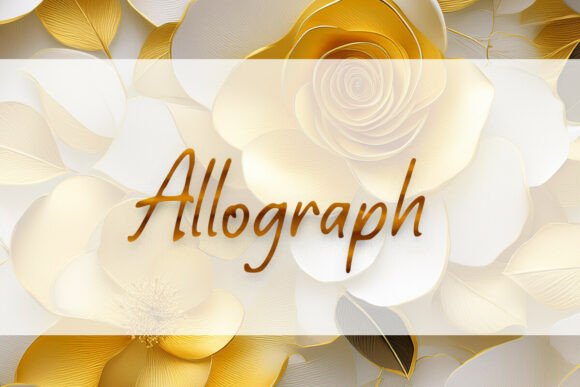
My first impression of Allograph was immediate. It possesses a distinct personality that feels both handmade and refined. Unlike some script fonts that lean too heavily into messy calligraphy or rigid geometric structures, Allograph strikes a balance that suggests organic luxury. It feels friendly yet premium, making it an ideal candidate for small business branding where the owner wants to convey a personal touch without sacrificing professionalism. For a local business like Hearth & Honey, which competes against mass-market giants, this nuance is vital. The font suggests a narrative of care and craftsmanship, perfectly aligning with the values of a handmade business.
Elevating Packaging Design and Product Labels
The true test of any typography is how it performs on physical goods. In the context of packaging design, Allograph shines as a hero element. I envisioned it immediately on the primary product label for their signature soy candles. The strokes have enough weight to remain legible even when printed on textured kraft paper or embossed onto glass jars. When designing for product sellers, visual hierarchy is everything. Allograph works beautifully as the dominant voice, drawing the customer's eye to the product name, while allowing secondary information like scent notes or ingredients to sit quietly in a complementary sans-serif font.
Beyond the main label, this typeface adds significant value to the unboxing experience. I can see it being used effectively on hang tags, thank-you cards, and sticker seals that secure the packaging. These small touches build customer trust and create a stronger emotional connection. A well-designed hang tag using Allograph transforms a simple transaction into a memorable brand interaction. Furthermore, for seasonal campaigns, such as a holiday gift set, the font's decorative qualities allow for festive marketing visuals that feel cohesive with the core brand rather than tacked on.
Versatility Across Digital and Print Media
While physical packaging is crucial, a modern brand identity must be fluid across digital platforms. Allograph translates exceptionally well to social media graphics. For boutique owners and creative entrepreneurs managing their own Instagram or Pinterest accounts, this font offers a way to create polished content without needing extensive design skills. It works wonderfully on quote graphics, promotional banners, and story highlights. The unique twists in the letterforms add character to web design elements like website banners or hero headers, ensuring the online presence matches the tactile quality of the physical products.
In terms of editorial design or printable inserts, Allograph can punctuate magazines or lookbooks with style. Whether it is being used for a price list in a coffee shop or a menu graphic for a bakery, the font maintains its integrity. It is versatile enough to be emblazoned on t-shirts for staff uniforms or used in promotional ads for local events. The key is its ability to amplify brand identity without overwhelming the message. It serves as a visual anchor that ties together disparate marketing materials into a unified whole.
Strategic Limitations and Designer Notes
However, no font is a universal solution, and responsible professional branding requires knowing where not to use a typeface. Allograph should be used carefully in formal corporate branding where a more neutral tone is required. It is also not suitable for very small labels or areas crowded with legal information and ingredient lists. In these instances, legibility takes precedence over style, and a clean sans-serif is always the safer choice. Additionally, designers should avoid using it on low-contrast backgrounds where the intricate details of the script might get lost.
From a technical standpoint, there are several practical steps I recommend before committing to Allograph for a client project. First, always test it on real product mockups. What looks crisp on a screen may behave differently when printed on matte versus glossy finishes. Check its performance in black and white to ensure the contrast holds up without color reliance. If you are working with vector files, inspect the SVG or editable paths to ensure smooth curves for large-format printing. For raster uses, review the PNG transparency to guarantee clean edges on digital overlays.
It is also wise to compare Allograph with competitor packaging. If every other candle brand in your local market is using a similar brush script, you may need to pair Allograph with a unique secondary font to stand out. Test it beside various serif, sans-serif, and display font styles to find the perfect pairing that enhances visual hierarchy. Finally, and perhaps most importantly, confirm the commercial license. Whether you are creating a digital product, a Canva template for resale, or physical goods for sale, understanding the licensing terms for Script Amp fonts is essential to avoid legal issues down the line.
Final Verdict for Creative Entrepreneurs
In conclusion, Allograph is a robust tool for anyone looking to elevate their local business presence. It offers the perfect blend of artistic flair and commercial viability. For food businesses, florists, and home decor shops, it provides a way to communicate quality and attention to detail instantly. By integrating this graphic design asset thoughtfully into your logo design and broader marketing strategy, you can achieve better shelf appeal and a more polished brand presentation. It is not just a font; it is a strategic component of a successful small business branding effort.