Candy Dreams Review: A Playful Script for Embroidery Projects
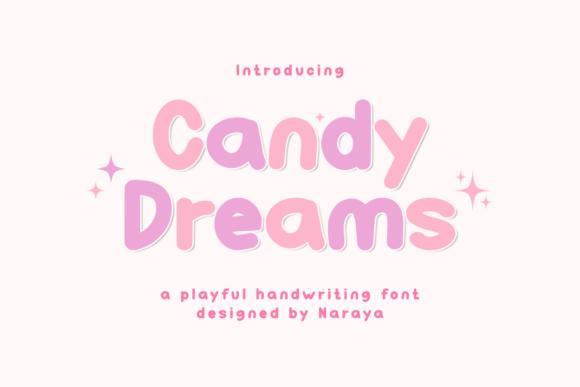
As a designer who spends more time staring at stitch simulations than I do sleeping, I am always skeptical when a new font claims to be "perfect for everything." When I first pulled up Candy Dreams from the Script Amp collection, my initial reaction was a mix of curiosity and caution. The preview images showed a bouncy, handwritten style that screams fun, but in the world of machine embroidery, cute often translates to messy if the digitizing isn't up to par. This isn't just about how it looks on a screen; it is about how those curves translate into thread on actual fabric.
The first impression of Candy Dreams is undeniably cheerful. It has a loose, organic flow that mimics genuine handwriting rather than a rigid typeface. For an embroidery project, this fluidity is a double-edged sword. On one hand, it offers a charming, handmade aesthetic that customers love for personalized gifts. On the other, loose connections between letters can be tricky to stitch out cleanly without proper underlay or careful tension settings. The visual personality here is youthful and energetic, making it a natural fit for boutique branding, nursery decor, and casual custom apparel.
Putting Candy Dreams to the Test on Real Fabric
To give you a practical assessment, I imagined a specific real-life scenario: a custom order for a local boutique needing a run of embroidered tote bags and matching aprons for a summer market. The client wanted something that felt approachable and artisanal. Candy Dreams seemed like the perfect candidate. However, before committing to the final hoop, I had to consider the mechanics.
When testing this design on a standard cotton canvas tote, the results were promising. The thicker strokes held up well, creating a solid satin stitch or fill stitch appearance depending on the size. The playful loops didn't collapse, which is often a risk with script fonts on textured fabrics. For a sweatshirt embroidery project, the design shines because the slightly irregular baseline of the font complements the cozy, relaxed vibe of fleece or French terry. It doesn't look too stiff or corporate, which is exactly what you want for a small shop product aiming for that "handmade in a studio" feel.
However, the performance changes when you move to trickier materials. If you are planning baby embroidery on a stretchy knit onesie, you need to be vigilant. The connecting threads in script fonts can sometimes cause puckering if the stabilizer isn't heavy enough. In my mental simulation of stitching this on a dark navy polo shirt, I noted that the thin upstrokes might get lost if the thread color contrast isn't high enough. Light thread on dark fabric requires crisp digitizing to ensure those delicate hairlines don't disappear into the background texture.
Ideal Applications and Where to Exercise Caution
This font is a powerhouse for specific categories. It excels in:
- Holiday embroidery: Think Easter baskets or Christmas stockings where a whimsical touch is required.
- Wedding gifts: Robes, tote bags for bridesmaids, or personalized pillow covers.
- Digital product previews: As an SVG or digital embroidery file, it creates eye-catching printable mockups for Etsy listings.
- Apparel decorators: Great for chest logos on t-shirts where a formal serif font would feel out of place.
That said, there are scenarios where Candy Dreams demands extra attention. If you are working with a small hoop size, you must check the legibility of the smaller letters. Script fonts often suffer when scaled down too far; the intricate tails and loops can merge into a blob of thread. For an embroidered patch or a cap, which involves a curved surface, the density of the stitch count becomes critical. Too much density on a curved brim can cause the design to warp. I would advise running a test stitch-out on scrap fabric that matches your final material before cutting into your good stock.
Visual Appeal and Commercial Viability
From a business perspective, the value of a font like Candy Dreams lies in its versatility and emotional connection. Customers are drawn to designs that feel personal. A logo stitched in this script feels less like a corporation and more like a creator. This builds trust and enhances the perceived value of your handmade product. Whether you are an Etsy seller listing custom name tags or a craft fair vendor selling decorated kitchen towels, the friendliness of this typeface can drive buyer engagement.
However, professionalism is key. To maintain brand consistency, ensure that the thread colors you choose align with your overall aesthetic. While the font is playful, using neon thread on a luxury linen napkin might undermine the sophistication of the base product. Conversely, using a matte cotton thread on a rustic tea towel elevates the finished product. Always inspect the small details in your preview software. Look for potential jump stitches that might need trimming and verify that the start and end points of the letters are secure to prevent unraveling after frequent washing.
Final Designer Notes for Success
Before you download or purchase this asset for commercial embroidery projects, keep these practical steps in mind:
- Check the License: Since this is categorized under Fonts and design assets, confirm whether the license allows for unlimited physical sales or if there are caps on the number of finished products you can sell.
- Test Density: If the design feels too heavy, see if your software allows you to adjust the pull compensation or density slightly to suit thinner fabrics.
- Contrast is King: Always view your design in black and white mode first. If you can't read it in grayscale, it won't read well from a distance on a finished garment.
- Stabilizer Matters: For stretchy fabrics, a cut-away stabilizer is usually safer than tear-away to prevent distortion over time.
- File Formats: Ensure the package includes the specific machine embroidery design formats compatible with your equipment (PES, DST, EXP, etc.), as the description mentions SVGs which are primarily for cutting machines like Cricut, not necessarily embroidery machines without conversion.
In conclusion, Candy Dreams is a delightful addition to a designer's library, particularly for those focusing on lifestyle brands, children's items, and casual accessories. It brings a human touch to digital files. While it requires a thoughtful approach to fabric selection and stabilization, the resulting stitched output has the potential to be a standout feature in your portfolio. Just remember, the difference between a good design and a great finished product often comes down to the tester's patience and the quality of the materials used.