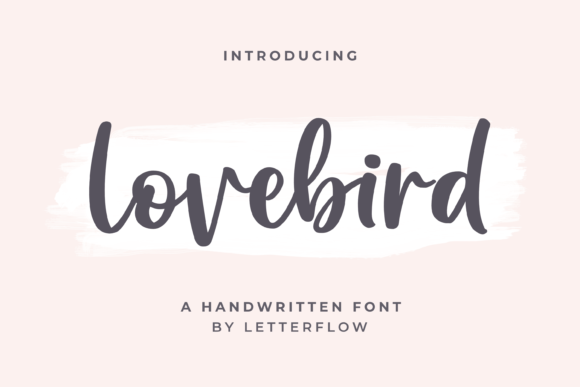
Lovebird Font Review: A Modern Script for Embroidery Projects
As a designer who spends more time staring at stitch previews than I do sleeping, I am always skeptical when a new handwritten script font hits the market. The digital landscape is flooded with them, but very few translate well from a vector screen to actual thread on fabric. That is why I took a close look at Lovebird from Script Amp. This isn't just about whether it looks cute on a website; it is about whether it holds up under the needle of a machine and survives a wash cycle in a customer's home.
My first impression of Lovebird was its effortless flow. It captures that modern, breezy aesthetic that is currently dominating boutique branding and farmhouse decor. The strokes feel organic, mimicking the natural pressure variations of a real pen. However, in the world of machine embroidery design, "organic" can sometimes be a code word for "nightmare to digitize." Thin connections break, and overly swirly tails create bird nests of thread. Fortunately, Lovebird seems to strike a balance. The letterforms are open enough to allow for clean satin stitch execution without becoming too fragile, yet they retain enough personality to avoid looking like a standard system font.
Putting Lovebird to the Test on Real Apparel
To truly evaluate this digital embroidery file, I imagined a specific scenario: a custom order for a local boutique needing a run of personalized tote bags and oversized sweatshirts. These are high-volume items where the design needs to pop but also remain durable. When I visualized Lovebird stitched onto a canvas tote bag design, the results were promising. The script's moderate weight means it doesn't get lost against textured fabrics, a common issue with thinner scripts.
For sweatshirt embroidery, the challenge is often the fabric pile. Fleece and French terry can swallow fine details. Lovebird's structure appears robust enough to stand out here, provided you use the right stabilizer. I would recommend a cut-away stabilizer for these stretchy garments to prevent the text from warping over time. The spacing between characters in Lovebird is generous, which is a huge plus. Tight kerning in embroidery often leads to thread buildup and poor definition, but this font breathes well, ensuring that each letter remains distinct even after hundreds of stitches.
Ideal Applications for Small Shops and Makers
If you are an Etsy seller or run a small craft business, versatility is key. Lovebird fits perfectly into several niches. It is an excellent choice for baby embroidery projects, such as bibs or onesies, where a soft, welcoming vibe is essential. The rounded terminals of the letters feel gentle and approachable. Similarly, for holiday embroidery gifts like kitchen towels or aprons, this font adds a personal touch that feels handmade rather than mass-produced.
Beyond apparel, consider using Lovebird for embroidered patch designs. Patches require bold lines and clear boundaries, and the stroke width of this script seems substantial enough to handle the density required for a merrowed edge or a tight satin border. For those selling design assets or printable mockups, Lovebird offers a professional look that elevates brand consistency. Whether it is used for a logo on a cap or a monogram on a pillow cover, it maintains a level of sophistication that appeals to buyers looking for quality handmade products.
Critical Considerations for Stitching Success
While Lovebird is a strong contender for many projects, a responsible designer must acknowledge its limitations. No font is universal. If you are working with very small hoop sizes, you need to be cautious. Scripts rely on the continuity of lines, and if you scale Lovebird down too much for a tiny pocket on a shirt or a narrow cuff, those delicate connectors might vanish or merge into a blob of thread. Always test your specific size on scrap fabric before committing to the final finished product.
Fabric texture is another variable. On dark fabrics, light thread can sometimes look sparse if the stitch density isn't high enough. While I cannot verify the exact stitch count without the physical file, scripts generally require careful attention to underlay. If you are stitching Lovebird on a textured towel or a waffle weave, ensure your thread colors have high contrast. A low-contrast combination on a rough surface will make the text illegible. Additionally, curved surfaces like baseball caps present a unique challenge. The distortion inherent in cap framing can stretch a script horizontally. You may need to adjust the pull compensation or slightly alter the aspect ratio of the design to ensure it looks proportional once stitched.
Enhancing Value and Customer Trust
The choice of typography directly impacts perceived value. A sloppy or poorly chosen font can make a $50 custom garment look like a cheap souvenir. Lovebird, with its polished curves and modern stance, signals professionalism. When a customer receives a personalized gift featuring clean, crisp lettering, it builds trust in your brand. It tells them that you care about the details. This attention to detail is what separates a hobbyist from a serious commercial embroidery provider.
Furthermore, the readability of Lovebird aids in buyer engagement. In a crowded marketplace, customers scan images quickly. A font that is easy to read at a glance—even in a small thumbnail on a mobile device—will perform better in listings. The open counters and distinct x-height of this script ensure that names and messages are instantly recognizable, reducing the cognitive load on the potential buyer.
Final Designer Notes and Best Practices
Before you integrate Lovebird into your workflow, there are a few practical steps to take. First, always check the licensing terms provided by Script Amp. While it is marketed for various uses including branding and logos, confirming whether it covers commercial embroidery and the sale of digital files is crucial to avoiding legal issues down the line.
Second, treat every new font as a prototype. Run a test stitch-out on the actual fabric you intend to use. Check how the fill stitch or satin columns behave on that specific material. Does it pucker? Does the thread shine too much or too little? Review the design in black and white mockups to ensure the shape holds up without the distraction of color. Finally, inspect the tiny details. Look at the entry and exit points of the stitches. Are they hidden well? These micro-details determine the longevity of your embroidery project.
In conclusion, Lovebird is a versatile and aesthetically pleasing option for the modern maker. It bridges the gap between trendy digital design and the tactile reality of thread art. With proper preparation and an understanding of its structural limits, it can become a staple in your library for creating stunning custom apparel, memorable gifts, and high-quality shop merchandise. It is a font that respects the craft, offering a blend of style and substance that both designers and end-users will appreciate.