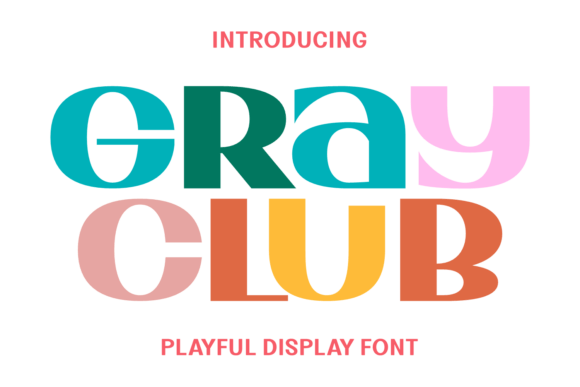
Gray Club: A Minimalist Font Review for Embroidery
As a designer who spends more time staring at stitch simulations than I do sleeping, I am always on the hunt for typography that translates well from screen to thread. When I first encountered Gray Club, my initial reaction was one of cautious optimism. In the world of Display fonts, there is often a fine line between "cute" and "childish," or between "minimalist" and "boring." Gray Club sits comfortably in a sweet spot that feels modern, approachable, and surprisingly versatile for a wide range of machine embroidery design projects.
This isn't just another digital asset to collect; it is a tool that demands to be tested on actual fabric. My goal in this review is to walk you through how Gray Club performs when the needle hits the cloth, helping you decide if it belongs in your next craft business lineup or personal project.
The First Impression: Mood and Visual Personality
Gray Club exudes a specific kind of charm. It is delightful without being overwhelming. The shapes are rounded and inviting, embodying the essence of minimalism while retaining enough character to stand out as a focal point. For an embroidery project, this visual personality is crucial. You want a font that reads clearly from a distance but offers interesting details up close.
The layout of the letters suggests a friendly demeanor. It feels like the kind of typeface you would see on a boutique coffee cup sleeve or a high-end nursery sign. When I visualize this as an embroidery file, I immediately think of clean lines and smooth curves. However, the true test of any Fonts collection is how those curves handle the physical limitations of thread and fabric tension.
Real-World Application: The Custom Tote Bag Scenario
To truly evaluate Gray Club, I imagined a specific real-life scenario: creating a custom embroidered tote bag for a local farmer's market vendor. The client wanted something that felt handmade but professional, avoiding the cluttered look of overly decorative scripts.
Using Gray Club for this tote bag design felt instinctively right. The minimalism of the font allows the texture of the canvas to shine through without competing with heavy stitch coverage. If I were stitching this, I would likely opt for a satin stitch column for the vertical strokes to give it a premium, glossy finish, while using a light fill stitch for wider areas to prevent puckering. The result would be a finished product that looks crisp and intentional.
Imagine this same font on a sweatshirt embroidery project. The softness of the letterforms complements the cozy nature of fleece or French terry cloth. It doesn't feel aggressive or too corporate; instead, it adds a touch of whimsy that appeals to younger demographics or those looking for personalized gift ideas. Whether it is for a baby embroidery project on a onesie or a bold statement on an adult hoodie, Gray Club adapts well to the scale.
Versatility Across Products
Beyond apparel and bags, Gray Club has potential in home decor. Picture it stitched onto a linen pillow cover or a kitchen tea towel. The clean aesthetic fits perfectly with modern farmhouse or Scandinavian interior trends. For Etsy seller accounts focusing on holiday items, this font could be a winner for holiday embroidery designs—think simple, elegant ornaments or stocking labels that don't rely on cliché holiday motifs.
For those selling digital embroidery file packs, offering Gray Club as part of a bundle for commercial embroidery use could attract buyers looking for versatility. It works equally well for embroidered patch creation, where clear, bold lettering is essential for readability on small surfaces.
Technical Considerations and Stitching Challenges
While Gray Club is visually appealing, practical application requires attention to detail. Not every fabric plays nice with every font. Here is where your experience as a maker comes into play.
- Fabric Texture: On highly textured fabrics like waffle weave or thick towels, the finer details of Gray Club might get lost. I recommend testing on a smoother medium-weight cotton first to ensure the stitch density is appropriate.
- Small Hoop Sizes: If you are planning to use this on a cap or a small pocket, be wary of scaling it down too far. Tiny lettering can become unreadable if the running stitch connections are too delicate or if the satin columns become too narrow to cover properly.
- Stretchy Fabrics: When working with knits for custom apparel, the stability of the font is key. Rounded fonts can sometimes distort if the fabric stretches during wear. Using a high-quality cut-away stabilizer is non-negotiable here to maintain the shape of the letters over time.
- Dark Fabrics: Gray Club relies on its shape for impact. On dark fabrics, ensure you choose thread colors with high contrast. A muted gray thread on a black shirt might look sophisticated in a mockup but could disappear in real life.
Refining the Finished Look
The value of a handmade product often lies in its execution. A font like Gray Club can elevate the perceived value of your items because it looks deliberate and designed, rather than generic. However, this only holds true if the stitching is clean. Jagged edges or poor tension can ruin the minimalist vibe instantly.
For small shop product lines, consistency is vital. If you use Gray Club for your branding tags, make sure the stitch-out matches the quality of your main products. This builds customer trust and reinforces your brand identity. Buyers engage more with products that look professional, and a well-executed font choice is a huge part of that presentation.
Practical Notes for the Professional Designer
Before you commit to selling items made with Gray Club or including it in your design assets, there are several steps you should take to ensure success:
- Test on Scrap Fabric: Never skip the test stitch. Run the design on the exact fabric you plan to use for the final product to check for puckering or registration issues.
- Check Thread Contrast: View your printable mockup in black and white. If the design loses its definition without color, you may need to adjust the stitch types or thickness.
- Review Stitch Density: Ensure the density isn't too high for lightweight fabrics, which can cause stiffness, or too low for heavy fabrics, which can look sparse.
- Confirm Licensing: Always verify the license terms. Just because a font is cute doesn't mean it is free for commercial embroidery use. Check if you can sell finished physical items or if you are restricted to personal use only.
- Inspect Small Details: Look closely at the corners and curves in the preview. Sharp corners in a font file might need manual editing in your embroidery software to prevent thread breaks.
In conclusion, Gray Club is a strong contender for designers looking to add a touch of understated charm to their work. It bridges the gap between playful and professional, making it suitable for everything from baby clothes to boutique branding. However, like any tool, its effectiveness depends on the skill of the user and the suitability of the materials. By respecting the technical requirements of embroidery and understanding the mood this font creates, you can create stunning, sellable items that resonate with customers.
Remember, the best embroidery project is one where the design enhances the material, not fights against it. With careful planning and a bit of testing, Gray Club can be the perfect finishing touch to your next creative endeavor.