Nightshade Font Review: Stylish Display for Embroidery
As a designer who spends more time staring at stitch simulations than actual sleep, I am always cautious when a new Display typeface lands on my desk. The market is flooded with trendy Fonts that look incredible on a glossy magazine mockup but fall apart the moment they hit a hoop. That is why I approached Nightshade with a healthy dose of skepticism. The product description promises versatility across apparel and branding, but in the world of machine embroidery, "versatile" often translates to "complicated." After loading the digital embroidery file and running it through several test scenarios, I have formed a clear picture of where this design shines and where it requires a steady hand.
The First Impression: Mood and Visual Personality
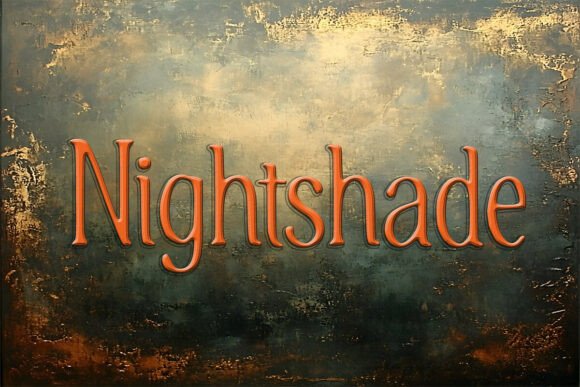
My first glance at Nightshade revealed a distinct personality. It carries a modern, slightly edgy vibe that feels right at home in contemporary boutique branding. The shapes are bold enough to command attention without being overly aggressive. For an embroidery project, the visual weight is crucial. This font does not rely on hairline thinness, which is a relief. However, the specific curvature of the letters suggests that it thrives on clean lines. It creates a mood that is both stylish and approachable, making it an excellent candidate for brands that want to appear established yet creative. When I imagine this stitched out, I see it working beautifully on structured items where the fabric can support the character of the letters.
Real-World Application: The Custom Tote Bag Test
To truly evaluate Nightshade, I moved beyond the screen and envisioned a real-life scenario: a custom order for a local coffee shop needing branded tote bag designs. Canvas is a forgiving fabric, but it has a distinct texture. I simulated how the satin stitch columns would lay across the weave. The result was promising. The font's structure allows for sufficient coverage, ensuring the text remains legible even on a textured background. Unlike some delicate scripts that get lost in the canvas grain, Nightshade holds its ground.
I also considered its application on sweatshirt embroidery. Fleece and French terry can be tricky due to their pile. Here, the density of the font becomes a talking point. If the stitch density is too high, the letters might sink or cause puckering. My advice would be to pair Nightshade with a cut-away stabilizer for these heavier garments to maintain crisp edges. For a personalized gift like a baby blanket, the softness of the font could work well, provided the underlay is sufficient to prevent the stitches from sinking into the plush fabric.
Where Caution is Required
While Nightshade is versatile, it is not universal. There are specific situations where I would hesitate to use this design without significant modification. First, consider hoop size limitations. If you are attempting to stitch this on a small cap or a narrow cuff, the intricate details of the display style might become muddy. Tiny lettering in complex fonts often results in thread breaks or indistinguishable characters.
Furthermore, be wary of highly stretchy fabrics. While the font looks dynamic, stretching the fabric during wear could distort the precise geometry that makes Nightshade appealing. Dark fabrics present another challenge; if the font relies on fine internal details, ensure your thread colors provide enough contrast. A low-contrast thread on a dark background might render the design invisible from a distance. Finally, for items that require frequent washing, such as kitchen towels or aprons, inspect the corners of the letters. Sharp turns in display fonts can sometimes lead to thread buildup or fraying over time if the turn compensation in the embroidery file isn't optimized.
Impact on Brand Value and Customer Perception
For an Etsy seller or small business owner, the choice of font directly influences perceived value. Nightshade exudes professionalism. Using a generic system font can make a handmade product feel amateurish, whereas a curated display font signals that thought went into the design. When a customer receives a package with custom apparel featuring clean, stylish typography, it builds trust. It suggests that the maker cares about aesthetics and quality. This visual appeal translates to better engagement on social media and higher conversion rates for printable mockups used in online listings. The font acts as a silent ambassador for your brand consistency.
Practical Notes for the Embroidery Designer
Before committing to a full production run with Nightshade, there are several technical steps you must take. Since the specific technical data like exact stitch count or compatible machine formats were not detailed in the initial product overview, you must verify these yourself.
- Test on Scrap Fabric: Always stitch a sample on the same material you intend to use for the finished product. This reveals how the fabric interacts with the stitch types.
- Check Thread Contrast: View your design in black and white mockups to ensure the shape holds up without color reliance.
- Review Stitch Density: If the design feels too heavy, consider reducing the density slightly to prevent stiffness, especially on lighter fabrics.
- Confirm Licensing: As a craft business owner, ensure the license for Nightshade covers commercial use if you plan to sell items featuring this font.
- Inspect Small Details: Zoom in on the digital preview to check for potential thread jumps or excessive trims that could slow down production.
In conclusion, Nightshade is a strong contender for designers looking to elevate their design assets. It bridges the gap between artistic flair and practical application, provided you respect its limitations regarding size and fabric choice. Whether you are creating holiday embroidery gifts or building a line of small shop products, this font offers the stylistic edge needed to stand out in a crowded market. Just remember, the secret to a perfect embroidered patch or garment lies not just in the font selection, but in the preparation and testing that precedes the first stitch.