Alega Font Review: Quirky Handwriting for Embroidery
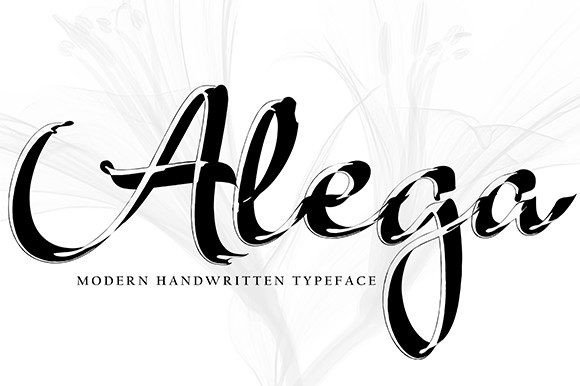
When I first opened the Alega file on my screen, I didn't see a standard typeface; I saw personality. As a designer who spends hours staring at stitch maps and digitizing software, I am always looking for fonts that bridge the gap between digital precision and human touch. Alega, a quirky handwritten font from Script Amp, immediately stood out because it doesn't try too hard to be perfect. In the world of machine embroidery design, perfection can sometimes feel cold. What we often crave for handmade products is that slight imperfection that says, "A real person made this."
This review isn't just about how the letters look on a website or in a logo mockup. It is about how Alega performs when translated into thread, pulled through fabric, and worn by a customer. If you are an Etsy seller, a boutique owner, or a hobbyist looking to elevate your custom apparel, understanding the practical behavior of this font is crucial before you commit to a full production run.
The Visual Personality of Alega in Thread
The first thing you notice about Alega is its relaxed, bouncy rhythm. Unlike rigid serif or sans-serif fonts, this script flows with a natural variation in stroke width that mimics actual handwriting. When you are planning an embroidery project, this visual personality dictates where the design belongs. It feels at home on items that require warmth and approachability.
I immediately imagined this font on a linen tote bag design or a cozy cotton sweatshirt. The quirks in the letterforms—the slightly uneven baselines and the playful loops—translate beautifully into satin stitch columns. However, because it is a handwritten style, it relies heavily on the flow between characters. In embroidery, if the digitizing isn't tight, those connections can get lost or become bulky. My initial assessment is that Alega works best when given room to breathe. It is not a font for cramming long sentences into a tiny space; it is a statement piece for short, impactful words like "Hello," "Create," or a family name.
Real-World Application: The Boutique Sweatshirt Test
To truly evaluate Alega, I visualized a specific real-life scenario: creating a line of personalized sweatshirt embroidery for a local coffee shop's merchandise. The goal was to create something that felt artisanal, not mass-produced. Alega fit this brief perfectly. The font's organic nature complements the textured surface of fleece or French terry cloth.
In this context, the font adds significant value to the finished product. Customers today are savvy; they can spot a generic template from a mile away. Using a distinctive font like Alega signals that thought went into the handmade product. It enhances brand consistency for small businesses that want to appear friendly and accessible. Whether it is for holiday embroidery gifts or year-round boutique branding, the mood Alega creates is one of casual elegance.
However, working with script fonts on stretchy fabrics requires caution. When stitching on a sweatshirt, the fabric moves. If the stitch density is too high, the area can become stiff and puckered, ruining the fluid look of the handwriting. With Alega, I would recommend testing the design on scrap fabric identical to your final garment. This allows you to check if the stabilizer you are using is heavy enough to support the curves without distorting the quirky shapes that make the font unique.
Navigating Technical Challenges and Fabric Choices
While Alega is versatile, it is not universal. There are specific scenarios where you need to proceed with care. For instance, if you are attempting baby embroidery on a onesie, the size of the hoop and the fineness of the details matter immensely. Handwritten fonts often have thin entry and exit points in their strokes. If scaled down too small for a tiny hoop size, these delicate areas might not stitch out cleanly, leading to thread breaks or gaps in the coverage.
Similarly, consider the fabric texture. On a smooth broadcloth for a pillow cover or tea towel, Alega will look crisp and defined. But on a highly textured waffle weave or a looped towel, the finer details of the script might get lost in the pile. In these cases, you might need to adjust the underlay or choose a thicker thread weight to ensure the thread colors pop against the background.
Dark fabrics present another challenge. Since Alega relies on the shape of the letters rather than heavy fill areas, ensuring high contrast is key. A light thread on a dark navy cap can look stunning, but you must ensure the satin stitches are dense enough to prevent the background fabric from peeking through, which can make the text look muddy. Always test your design in black and white mockups first to judge the contrast before threading up the machine.
Practical Notes for Designers and Makers
Before you list this as a digital embroidery file or use it for client work, here are a few professional observations to keep in mind:
- Check the Licensing: Always confirm the license terms provided by Script Amp. While many fonts allow for commercial use in finished physical goods, rules regarding selling the digital file itself or using it in logos for resale can vary.
- Stitch Direction Matters: Handwritten fonts often have changing angles. Ensure the digitized version handles angle changes smoothly to avoid excessive trimming or jumping, which can slow down production.
- Small Details: Inspect the corners and loops. In some handwritten fonts, tight corners can cause thread bunching. If you notice this in your test stitch-out, you may need to edit the file or avoid using it on very small scales.
- Versatility: This font shines in personalized gift contexts. Think monograms on aprons, names on nursery decor, or custom patches. It is less suitable for technical labels or instructions where legibility at a glance is the only priority.
Final Verdict on Commercial Viability
In the competitive landscape of craft business and online sales, presentation is everything. Alega offers a distinct advantage because it feels bespoke. It helps elevate a simple embroidered patch or a plain tote bag into a curated item that commands a higher price point. The font's ability to convey a "made by hand" aesthetic aligns perfectly with what modern consumers are looking for in small shop products.
Ultimately, Alega is a strong contender for your library of design assets. It brings a natural characteristic to projects that rigid fonts cannot match. Just remember to respect its limits regarding size and fabric texture. By pairing this quirky script with the right materials and proper stabilizing techniques, you can create commercial embroidery pieces that not only look good but feel authentic. Whether you are decorating caps, creating holiday gifts, or building a brand identity, Alega provides the human touch that turns a standard item into a cherished keepsake.