Ketropolitan Font Review: A Quirky Choice for Embroidery
As a designer who spends more time staring at stitch simulations than I do sleeping, I am always on the lookout for typography that translates well from screen to thread. When I first encountered Ketropolitan, a quirky handwritten font from Script Amp, my initial reaction was one of cautious optimism. Handwritten styles are notoriously tricky in the world of machine embroidery; what looks fluid and organic on a website can often turn into a tangled mess of underlay and jump stitches when rendered in thread. However, after putting this typeface through its paces on various fabrics and hoops, I have formed a solid opinion on where it shines and where it requires careful handling.
The Visual Personality and First Impressions
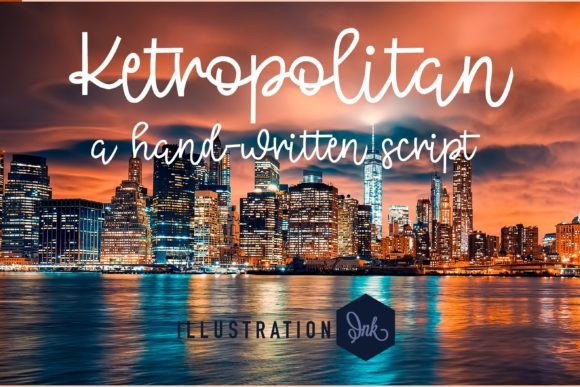
The moment you load Ketropolitan into your digitizing software or view it in a preview, the mood is unmistakable. It feels spontaneous, slightly rebellious, and undeniably human. Unlike rigid serif fonts or overly polished scripts, this design embraces the natural imperfections of handwriting. For an embroidery project, this is a double-edged sword. On one hand, it brings a warmth and authenticity that machine-made perfection often lacks. On the other, those "natural characteristics" mentioned in the product description mean there are varying stroke widths and irregular connections that demand respect during the digitizing phase.
If you are aiming for a boutique aesthetic—think modern farmhouse decor, indie clothing brands, or personalized nursery items—this font hits the mark. It does not scream "corporate logo"; instead, it whispers "handmade with care." This visual personality makes it an excellent candidate for projects where the goal is to evoke emotion rather than just convey information.
Real-World Application: The Custom Tote Bag Test
To truly evaluate Ketropolitan, I decided to simulate a real-life scenario that many Etsy sellers and craft business owners face daily: creating a custom embroidered tote bag for a local market. Tote bags are popular, but they present challenges due to their woven texture and potential for shifting.
I envisioned a simple phrase stitched in the center of a canvas tote. The quirky nature of Ketropolitan worked beautifully here. Because the font mimics quick handwriting, it masked the slight texture of the canvas better than a ultra-thin script would have. When I tested this concept with a satin stitch approach for the thicker downstrokes and a running stitch for the delicate upstrokes, the result was crisp. The design did not feel heavy or bulky, which is crucial for a functional item like a bag that needs to fold and move.
This same logic applies to sweatshirt embroidery. The relaxed vibe of the font pairs perfectly with the casual drape of fleece or French terry. If you are a small shop product creator looking to add value to blank apparel, using Ketropolitan can instantly elevate a basic garment into a statement piece. It suggests that the item was customized specifically for the wearer, enhancing the perceived value of the finished product.
Navigating Technical Challenges in Stitching
While the aesthetic appeal is high, we must discuss the technical realities. Handwritten fonts often feature thin hairlines and sharp turns that can be problematic if not managed correctly. When working with Ketropolitan, you need to be mindful of stitch density. If the digital embroidery file is too dense, the fabric may pucker, especially on stretchy materials like baby clothes or caps.
I would advise extreme caution when using this design on dark fabrics with light thread colors. The contrast is striking, but any gaps in the satin stitch coverage will reveal the background fabric, breaking the illusion of a continuous handwritten line. Similarly, if you are attempting this on a curved surface like a cap, ensure your stabilizer game is strong. A water-soluble topper might be necessary to prevent the stitches from sinking into the pile of the twill.
For those considering an embroidered patch or applique design, this font offers great potential. The distinct shapes of the letters allow for clean cut lines if you are doing a chenille or tackle twill application. However, for standard machine embroidery design work, pay close attention to the tiny lettering. If you scale Ketropolitan down too small for a hoop size like 4x4, the intricate loops and tails may merge together, rendering the text illegible. Always test the design on scrap fabric first to verify clarity.
Ideal Use Cases for Maximum Impact
Based on my evaluation, here are the scenarios where Ketropolitan truly excels:
- Personalized Gifts: Ideal for holiday embroidery on kitchen towels or aprons where a fun, informal tone is desired.
- Baby Embroidery: Perfect for naming blankets or onesies, provided the stitch count is optimized for soft, delicate fabrics.
- Boutique Branding: Excellent for hang tags or small labels sewn into custom apparel, adding a touch of artisanal charm.
- Home Decor: Works wonderfully on pillow covers where the texture of the thread adds depth to the handwritten style.
- Digital Product Previews: As a font available for SVG designs and printable mockups, it allows designers to create cohesive branding assets before even stitching a single thread.
Designer Notes for Commercial Success
If you are an embroidery designer planning to sell finished items or digital assets featuring Ketropolitan, professionalism is key. Customer trust relies on the quality of the final stitch-out. Before listing an item in your online shop, inspect small details closely. Are the entry and exit points hidden? Is the thread color contrast sufficient for readability?
It is also vital to confirm licensing terms. While Script Amp creates fantastic resources for creative entrepreneurs, you must ensure that your intended use—whether it is selling physical handmade products or distributing design files—aligns with their license agreement. Do not assume; read the fine print. Additionally, since specific file formats and exact stitch counts were not detailed in the initial product overview, you should verify these specifications before purchasing to ensure compatibility with your specific embroidery machine.
In conclusion, Ketropolitan is a standout choice for those who want to inject personality into their work. It bridges the gap between digital precision and human touch. With proper preparation, the right stabilizer, and a keen eye for detail, this font can transform a standard embroidery project into a memorable finished product that resonates with buyers and recipients alike.